
Watching films in their original English can make language practice more engaging. You hear vocabulary in context, notice how intonation changes a message, and see how facial expressions and gestures support meaning. A familiar story can also give you a reason to return to English outside your lessons.
The key is to watch actively. You do not need to understand every line or finish an entire film in one sitting. A short scene that you can revisit and discuss is often a more manageable starting point. The British Council’s guide to learning through films also highlights the importance of choosing something you enjoy and adapting the viewing task to your ability.
Below are viewing ideas for different stages of learning, followed by a routine you can try with your next scene. The level groupings are teaching suggestions, not official CEFR ratings for the films. Even a family film can contain fast speech, jokes or unfamiliar accents. Choose a suitable scene and use support where needed.
Film ideas for beginners: A1–A2, with support

If you are just starting to learn English, choose a familiar story and a short scene with clear visual action. Animation and family films can offer useful material, but being made for children does not automatically make every dialogue easy for a beginner.
Treat these as sources of short activities rather than a test of whether you can understand a whole film:
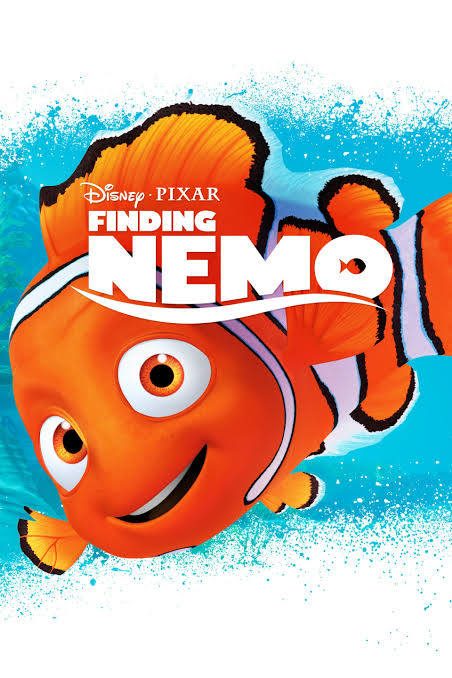
- Finding Nemo: try a short exchange between characters. Identify who wants something, what the problem is and a few useful everyday words.
- The Lion King: a familiar plot can help you follow the action while listening for simple questions, instructions or expressions of emotion. Start with spoken scenes rather than trying to decode every song.
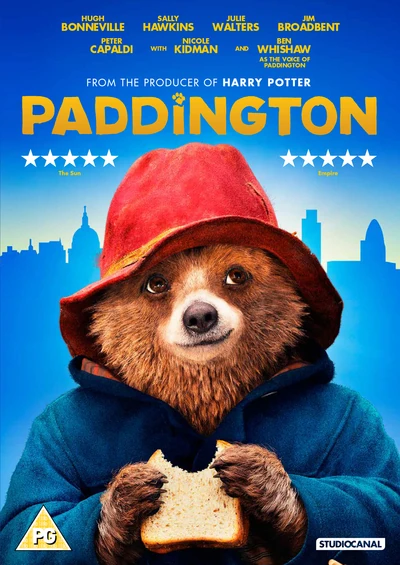
- Paddington: choose a scene involving introductions, requests or an everyday interaction. Listen for polite expressions and think about when you might use them yourself.
If even a short scene feels overwhelming, begin with material created for learners. The British Council’s video series include Starting Out for A1–A2 learners, with activities to support understanding.
Film ideas for intermediate learners: B1–B2

At this stage, you can work with longer conversations and look beyond individual words. Pay attention to common expressions, differences between speakers and the way a reply connects to what was said before.
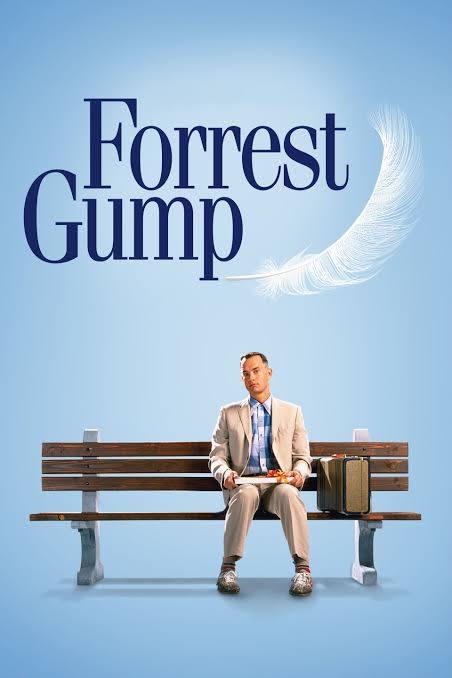
- Forrest Gump: use a scene to practise following a personal story. Notice how events are described and how a speaker connects them. Familiarity with the story can help, while individual accents may still need repeated listening.
- The Devil Wears Prada: workplace exchanges provide material for exploring requests, instructions, tone and professional situations. Compare the literal words with the relationship between the speakers.
- The Holiday: choose a conversational scene and listen for reactions, follow-up questions and expressions of feeling. After watching, summarise what each character wants from the conversation.
You do not need to collect every new word. Choose a few expressions you could realistically use, record their context and write an example of your own.
Film and TV ideas for advanced learners: C1–C2
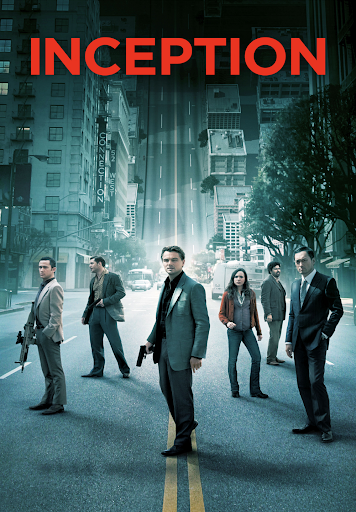
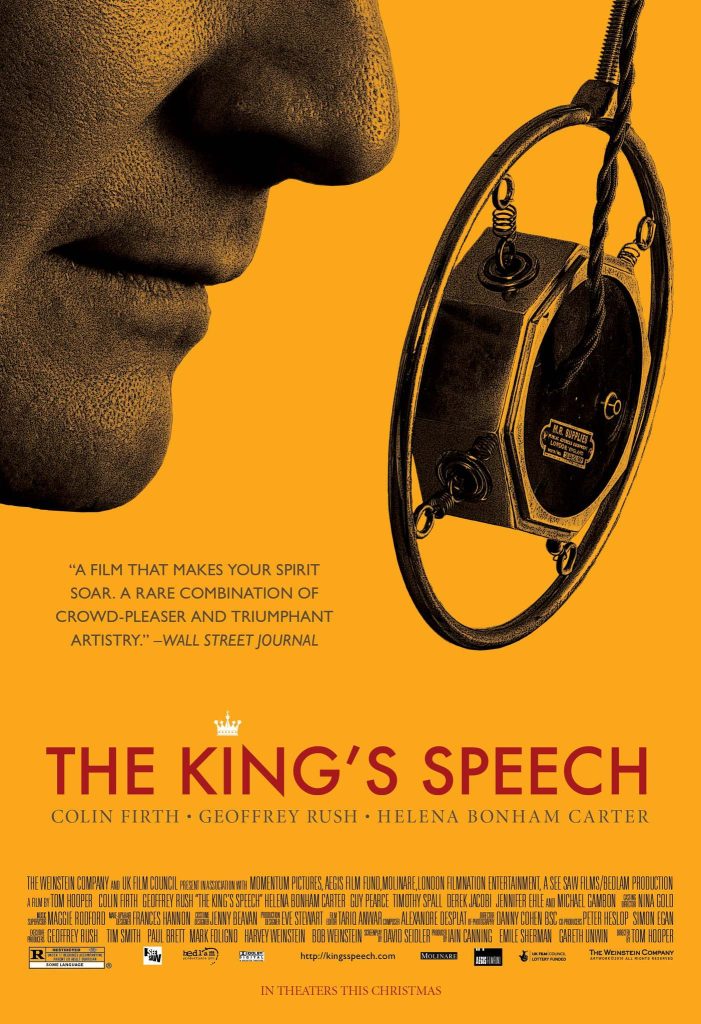
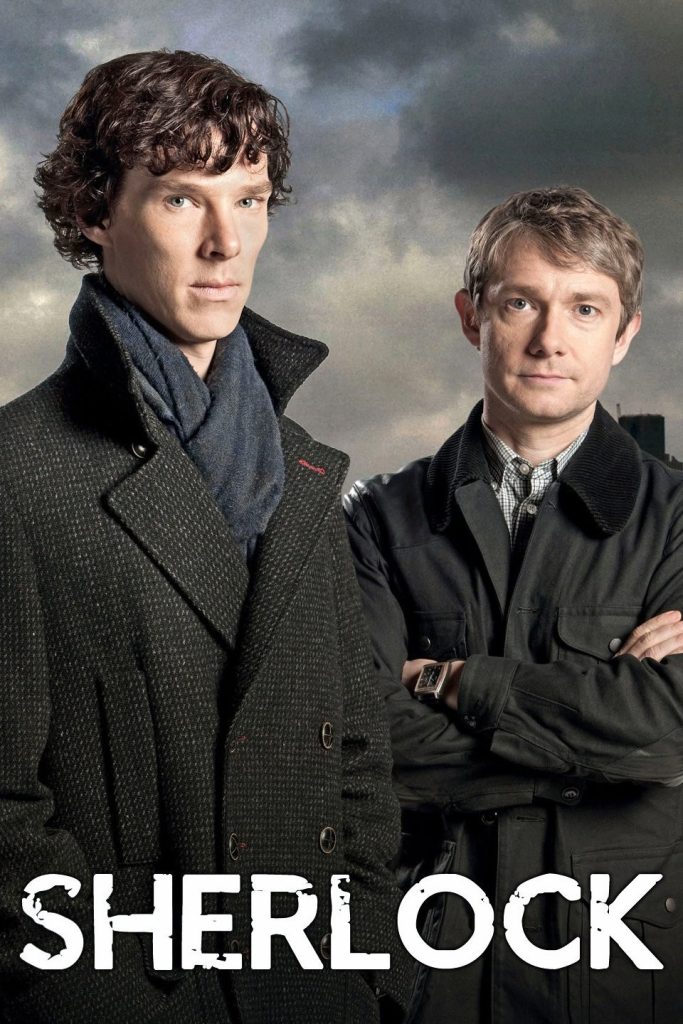
Advanced learners can use films and series to explore implied meaning, changes in register, humour and unfamiliar subject matter. Understanding the plot is only one possible task: you can also examine how a character persuades, avoids a question or signals disagreement.
- Inception: follow an explanation of the story’s concepts, then explain it in your own words. Check which details are essential and which specialist terms need clarification.
- The King’s Speech: examine how pauses, emphasis and delivery contribute to a scene’s meaning. Discuss how the relationship between the speakers affects their choice of language.
- Sherlock: short exchanges can provide a challenge through quick delivery, inference and humour. Pause after a scene and explain what is implied rather than directly stated.
A film does not have to be difficult throughout to be useful at an advanced level. A short, apparently simple exchange can still reveal a lot about tone and intention.
How to turn a scene into English practice
Try this routine with a scene lasting two or three minutes:
- Watch for the main idea. Who is speaking, where are they and what is happening? Avoid stopping for every unknown word.
- Watch again with English subtitles. Check the lines that were hard to hear. If you are a beginner and still cannot follow the scene, briefly use subtitles in your stronger language to establish the context, then return to English.
- Choose three useful expressions. Record the situation and meaning, not just an isolated translation. Check unfamiliar language in a reliable learner’s dictionary.
- Listen and repeat a short line. Focus on one feature, such as stress or the way words connect. You do not need to copy a character’s entire accent.
- Use the language yourself. Retell the scene, give your opinion or create a short conversation using one of the expressions.
- Return to the scene later. Try listening without subtitles and notice which parts have become easier to recognise.
Watching for enjoyment and studying a scene serve different purposes. You can enjoy a film without interrupting it constantly, then return to one scene for focused practice afterwards.
Make your viewing part of a learning plan
Film practice is easier to maintain when it has a small, clear goal: understand a request, notice how disagreement is expressed, or use two new phrases in conversation. It works well alongside lessons, reading and regular speaking practice.
If you understand subtitles but struggle to follow speech or use new expressions yourself, bring a short scene or a list of phrases to a lesson. Discussing where the difficulty occurs can help you choose a useful next exercise.
At Lexiconia, we can discuss your goals and help you choose a learning format and teacher. Start with our English level test for an initial indication of your knowledge, or message us on Telegram to talk about lessons. Current formats and fees are on our prices page.
Choose a story you enjoy, start with a manageable scene and turn a few useful expressions into language you can use. That gives your next film night a clear learning purpose without making every minute feel like an exam.